




There are some things in life over which we have no control, but crop up when we least expect it – and, although not guaranteed, it’s highly likely that, within your lifetime, you will be a victim of a roof leak of some sort.
It’s not the end of the world – and in some cases, it may have little effect on your property. However, your reaction and next moves can be very important if you are to protect the structural integrity of your home and ensure you locate and solve the source of the leak correctly.
After all, if this leak is left unresolved, it can cause a domino effect of other problems you could otherwise have easily avoided. So, how should you first react, and when should you do what?
Here are some great tips on some of the things you may be able to do to help the problem, reduce the damage and decide who to call out in unfortunate circumstances such as these.
Step 1: Reduce the damage as much as possible
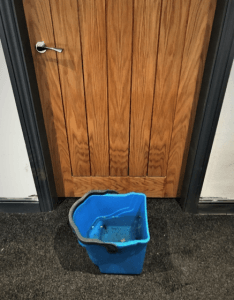
This step all depends on the leak’s location and whether access determines that you can reduce the damage at no danger to yourself. If you can visibly see droplets of water dripping down or a puddle of water gathering on the floor, then it would be sensible to check under the kitchen sink or amongst the kids’ beach toys for a bucket.
It may seem obvious, but containing the leak can avoid damage to carpets and flooring while also reducing the chance of water seeping through into other areas and being absorbed, thus causing you more damage.
It can be extremely difficult to pinpoint the exact location of a leak – even, from time to time, for a trained eye.
I would not expect you to go searching for a leak by jumping up on a ladder and putting your safety at risk. However, for your own peace of mind, you may choose to pop your head through the loft hatch to see if anything seems abnormal.
The same goes with walking over to the other side of the road, from which you might be able to notice a visible defect that could be the root cause of your water ingress.
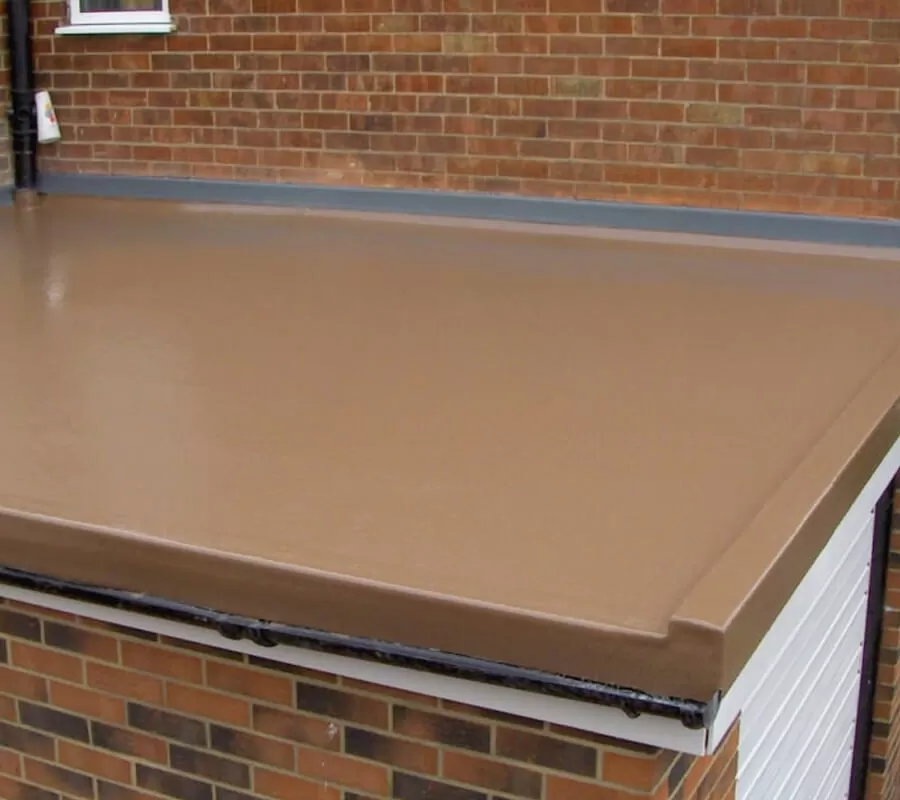
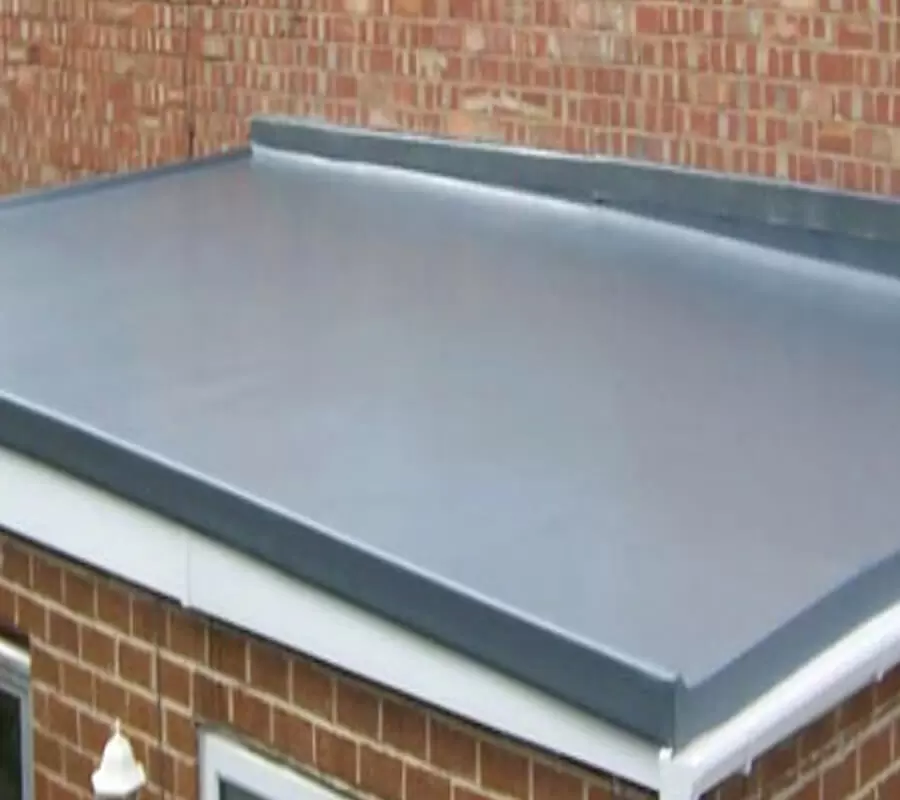
More often than not, you won’t be able to locate the exact source, as water can make its way through a hole as small as a hairpin crack. When it comes to lower-level flat roofs, you may be able to do – depending on how comfortable you are with the idea – cover the roof over with a tarpaulin sheet, held down with old bricks or stone.
This can temporarily halt water getting in and buy you time to fix the problem. However, this “make-do” measure is not something we would advise you to implement yourself; it should be left to someone who is insured and qualified for the task.
Step 2: Know which professional to call first
Calling in someone who has a keen eye for locating a housing defect, but is also trained to diagnose one, is vital. At this early stage, calling out a roofing contractor straight away may not be your smartest move. You may call out 2 or 3 roofers who all give you different advice on where they believe the water is entering and how it should be fixed. Seems pretty confusing, right?
With all due respect, a roofer is a roofer, and although some particular roofers may be light years ahead of their competitors, they have only been trained in the installation of roof work. There are jobs, years and years of training and degrees out there that educate on diagnosing, what tools to use, what to look for, where to look and what materials will be required.
This is why we strongly advise that you turn to a surveyor for this step. You don’t have to pay silly prices for a survey; however, what you do pay could save you a small fortune in the long run. Over the years, we have visited many customers who have previously put their faith in the predictions of a roofing contractor, only to find themselves 3, maybe even 4 jobs in and still looking for a fix to the leak.
Relying on the process of eliminating possible causes one by one can leave you feeling stressed; it can also be financially costly and time-consuming. You would do well to first appoint a professional surveyor who can assess the damage properly.
Step 3: Select your roofing contractor carefully
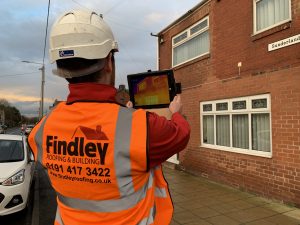
By this stage, you should have hopefully called out a surveyor who may have used technology such as thermal cameras and dam meter readers. They might even crawled on hands and knees through your attic to diagnose the problem with thorough, honest evidence, and a full detailed written survey report to back it up.
If this is true, then you are ready to take that information to a roofing contractor for them to work off. When selecting your roofing firm, it may be worth finding out if they have taken on projects such as yours before, especially if the job involves intricate details that may require a specialist.
Maybe you could ask your surveyor for some advice and if he or she has any recommendations. Likewise, speak to family and friends to see if they have previously employed or know of any reputable roofing firms.
Verify the authenticity of the guarantees offered by the company you are most considering. You should also check the nature of the reviews they have obtained, how long the company has been trading, and whether it is making sufficient profit annually to be able to honour its guarantee and pay to fix a problem, should the firm’s work not be effective.
Is the company proposing to use scaffolding? If the job will require more than 3 hours of work and be carried out at any height whatsoever, your roofing contractor should use fixed point scaffolding. This would be not only for their safety but also to cover you and make sure you receive the standard of work that your roof deserves, rather than what would happen were the contractor to work from a wobbly ladder.
Therefore, you should be careful not to simply opt for the first roofing firm that you see in the newspaper. Instead, you should launch into diligent research online so that you know you are selecting the right company while also protecting yourself.
The Vantage way
When you hear the term “roofer”, it can send a cold shiver down your spine. Roofing is not the most popular industry, mainly because there is such a lack of transparency, while too many cowboys have been allowed to tarnish the name over time, unfortunately affecting other roofers out there.
As one of the largest residential roofing firms covering surveying and roofing work in North East England, we have noticed the importance of giving the customer honest and genuine diagnosis. Unfortunately, however, the general lack of it in the area we cover is evident.
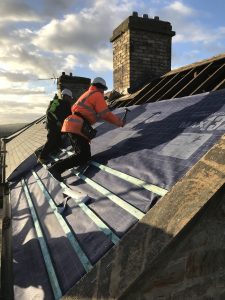
Today, we employ 10 building surveyors. For the past 2 years, we have been offering a FREE roof survey to anyone who lives in a residential property and owns the h
ome. All surveys include the use of invasive and non-invasive moisture meter readings, thermal camera surveys, drones, high-resolution cameras and ladders for the hard-to-access areas. Hence, we can be sure that our advice is accurate.
If your roof is leaking or has not been inspected for over 25 years, you will be due a survey. We would be delighted for one of our fully-trained employees to visit your North East home and survey your roof completely free. All of our surveyors are trained to give a no-obligation estimate on-site should you be experiencing any problems or defects that need attention.
If you would like to have a chat with one of our friendly representatives, please call us on 0191 497 8980. We are an approachable roofing company for Newcastle, Sunderland and other North East households.
Our website enables you to also chat live with one of our head office staff to arrange an appointment.
Explore Our North East Roofing Services