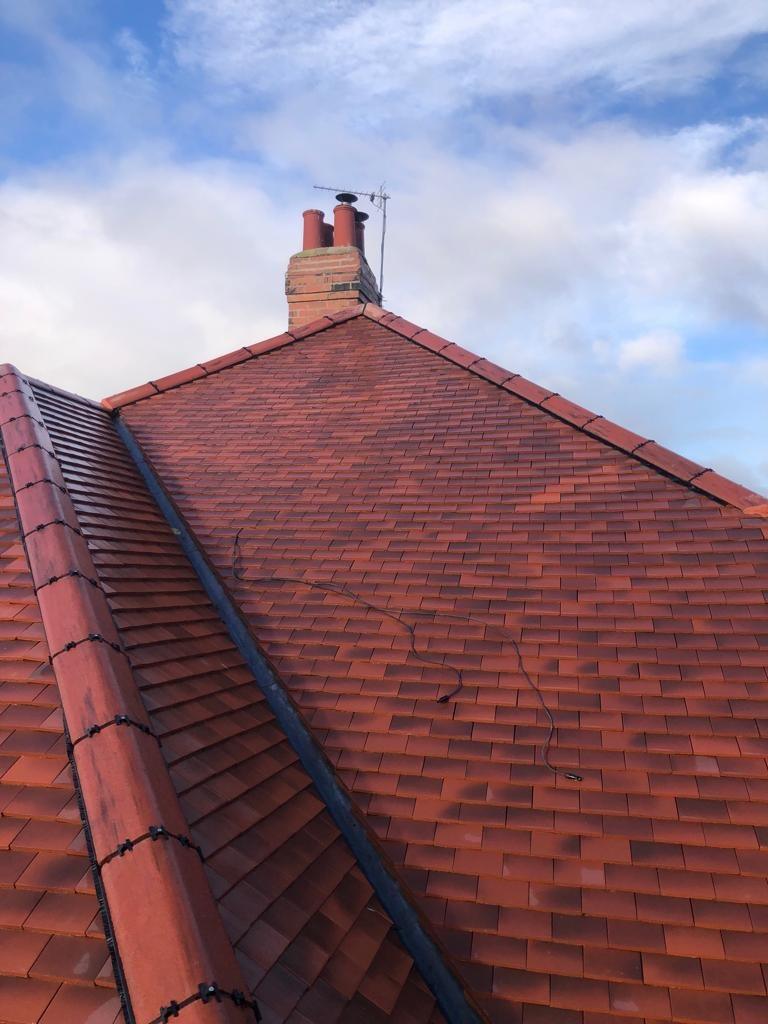





An original fireplace, with coals or logs burning away, isn’t something you can only enjoy when you visit a stately home maintained by the National Trust or English Heritage. You might be lucky enough to have such a fireplace in your own home. However, to use a fireplace, you need a chimney stack.
A chimney stack in itself calls for regular attention and maintenance, but you might not be certain about exactly what to look for – or how to look for it. That’s why we’ve compiled the following checklist.
Is your chimney swept regularly by an experienced sweep?
You should arrange for a professional sweep to sweep that chimney at least once yearly – and, as per advice from Real Homes, more often than that if you very regularly light fires.
An especially good reason to hire a good chimney sweep is that they could spot warning signs of potential problems with the chimney stack. Such warning signs can include plaster, brick, stone or soot debris falling down the chimney or twigs, originating from a bird’s nest, in the hearth.
Do you regularly inspect the chimney stack from the ground?
Admittedly, this can be tricky to do, given how the stack’s height and position can easily obscure the amount of damage and, consequently, whether repair work is needed.
Attempting to take matters into your own hands by inspecting the stack more closely can be perilous. You might lack the specialist expertise and proper equipment to check safely and within building health and safety regulations.
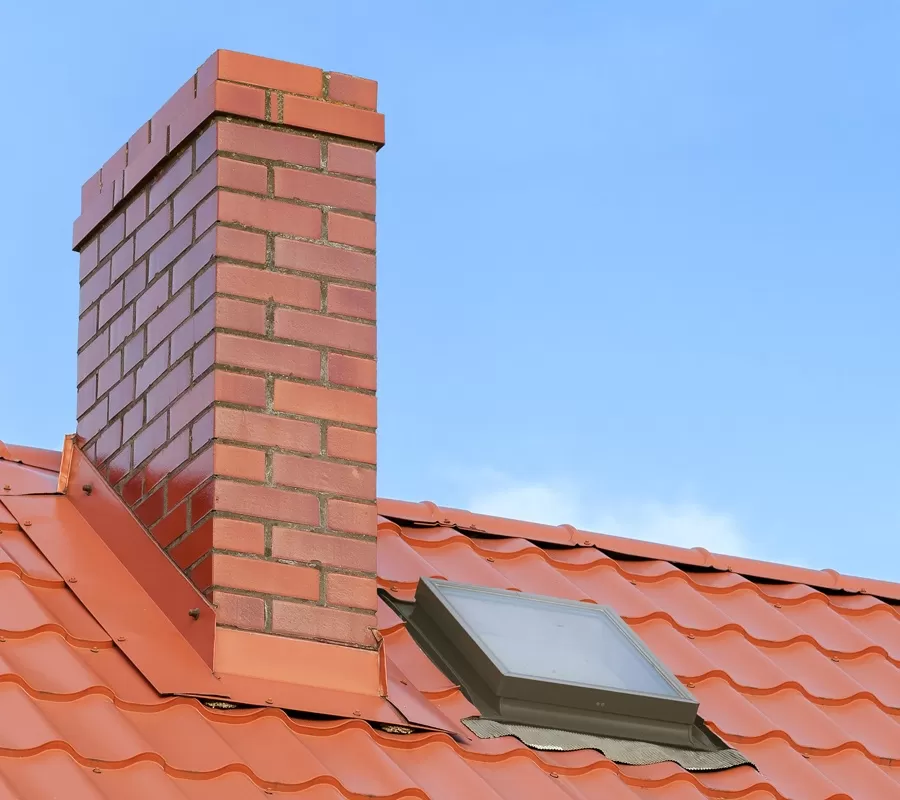
Can you see signs that the stack needs repointing?
From the ground, it might remain practical for you to more closely scrutinise the stack through using binoculars. In this case, can see you see some areas of grouting missing? Are some plants growing in the gaps left? These are sure indicators of a need for repointing, says the HomeOwners Alliance.
Chimney stacks must be repointed about every 25 years. Our roofing services for Newcastle homes and further afield in the region include repointing with a mix of three parts sand to one part cement.
Are the chimney cap and crown in good condition?
Don’t worry if you can’t easily – and safely – discern this yourself, as we can do it as part of our free roof health check service. You should be on alert if the chimney cap is missing or the chimney’s crown or top seal is damaged, as described by InspectAPedia.
Leaving such problems unaddressed can lead water to seep into the chimney, resulting in rust if the flue is metal or frost and water damage if the flue is of the masonry variety.
Does your chimney have a large stack that has started to “belly out”?
Perhaps it has if the stack dates from before 1940 and so has likely burned at extreme temperatures. You can blame a pre-war history of coal and coke fires for that. However, we can repoint or rebuild the stack if its distortion problem is caught early enough.
Explore Our North East Roofing Services