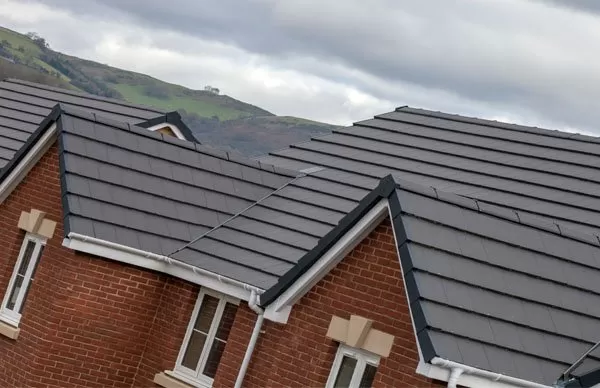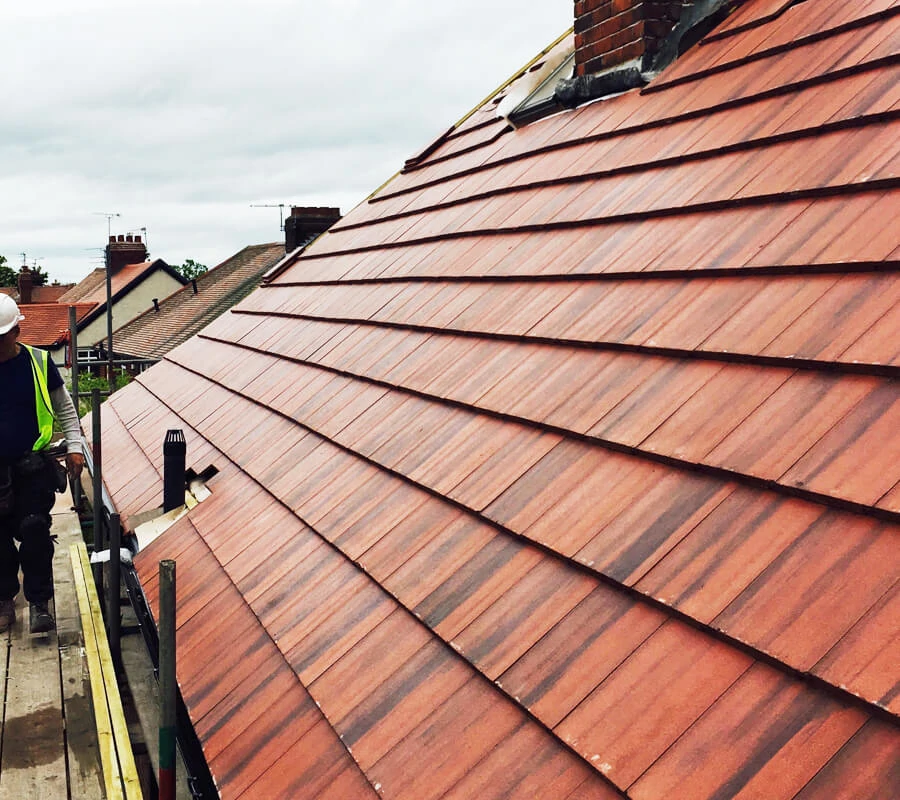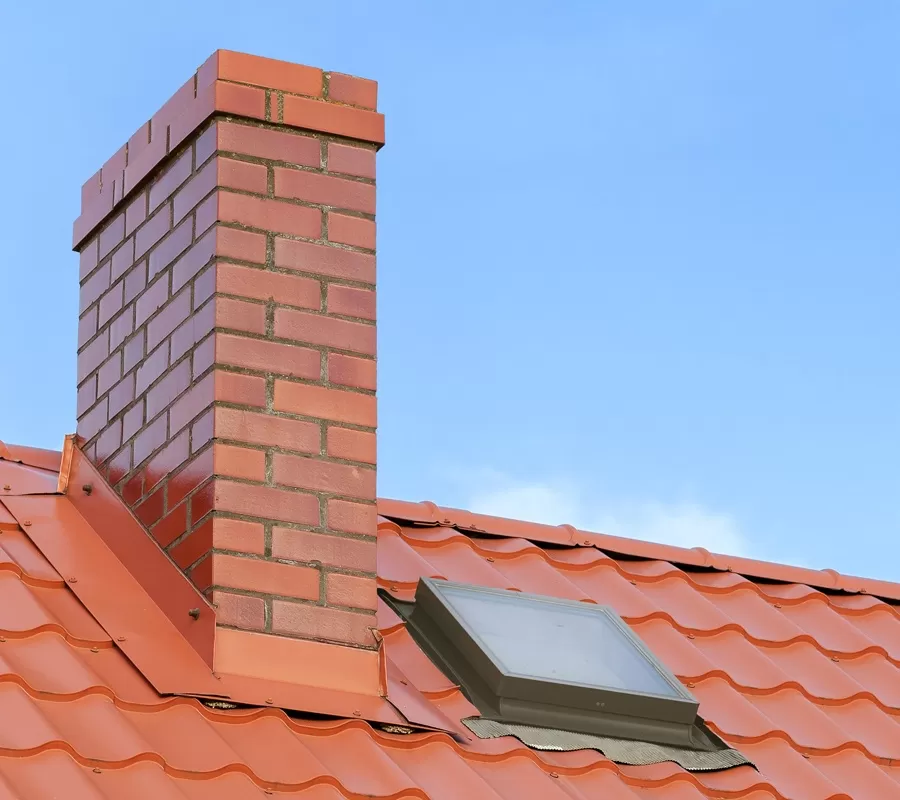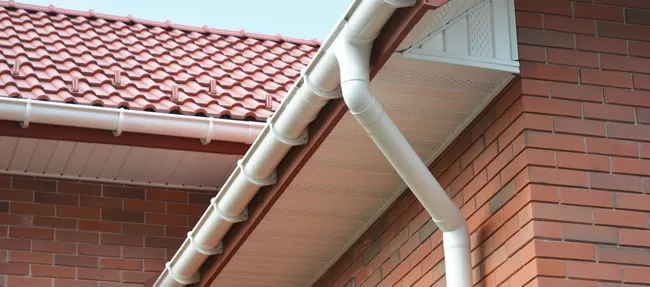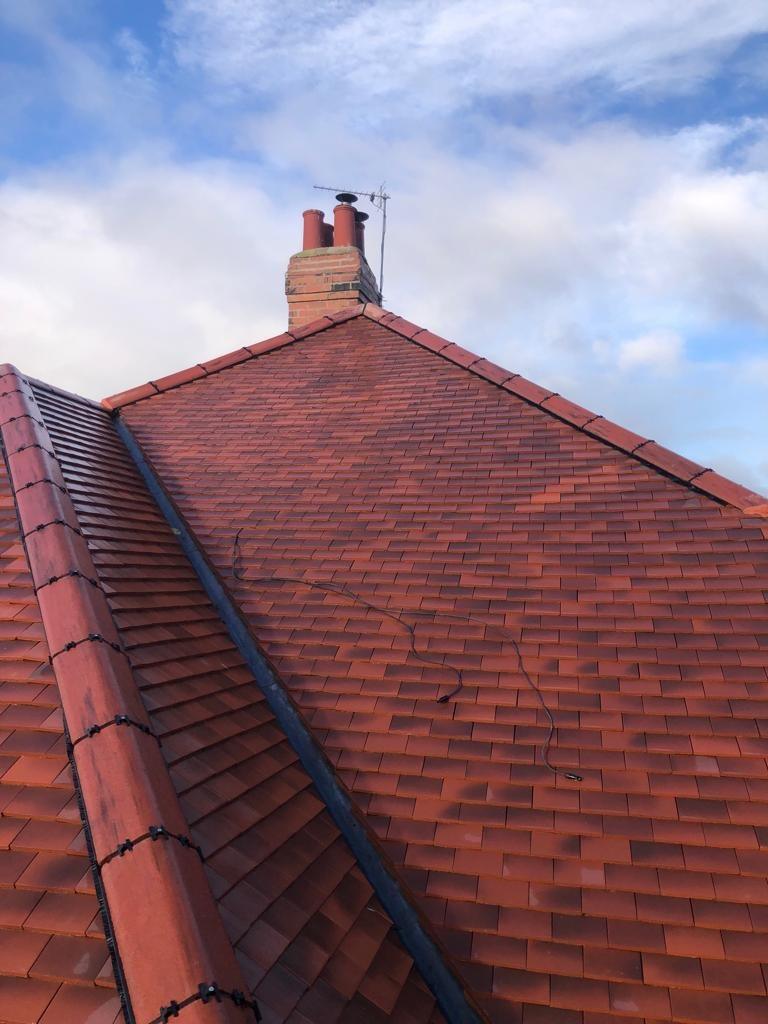




Have you ever wondered why pitched roofs consist of overlapping pieces? It’s because the roofs are meant to emulate fish scales and so shed water, as The Spruce explains. This is a powerful incentive to choose pitched over flat roofing, but the merits of the pitched variety are not always this clear.
A major reason why is that pitched roofing is not necessarily the best choice of roofing for every type of building. The following pros and cons could shed light on whether pitched roofing is really for you.
Pro: traditional in appearance
Pitched roofing is undoubtedly a thoroughly tried-and-tested roofing solution. We will say more on that point later, but one notable consequence of pitched roofing’s long history of use has been its cemented reputation as an especially traditional-looking form of roofing.
Pitched roofing has been given its distinctive shape as a way of easing water drainage. However, a shape that started out as a practical design decision has since been embraced for aesthetic reasons.
Pro: relatively easy to maintain
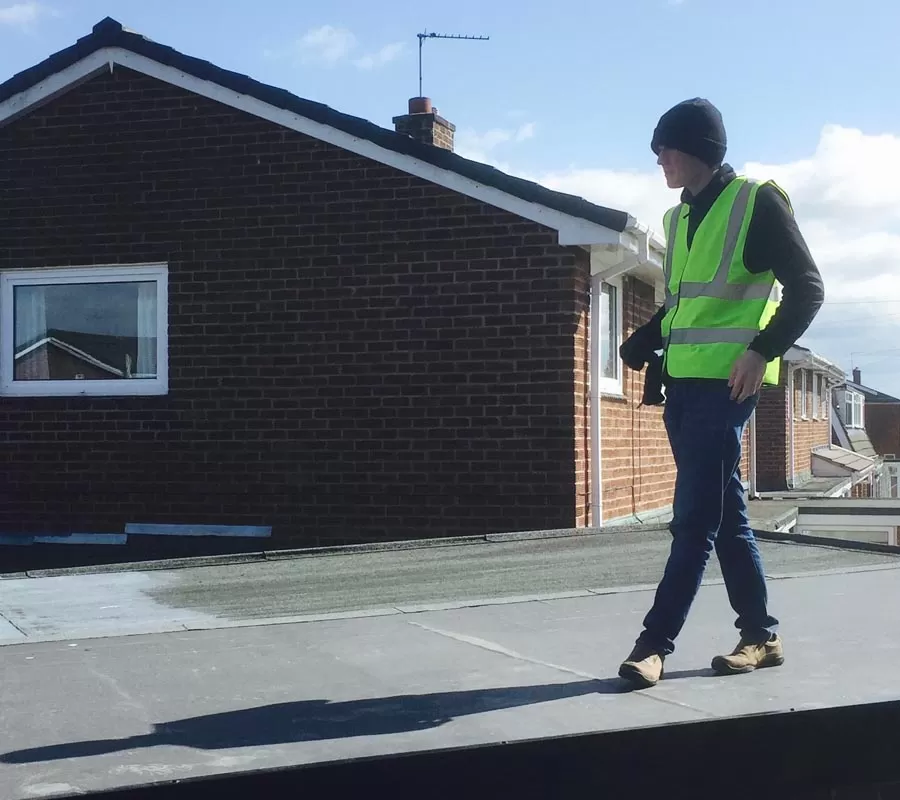
The sloped structure of a pitched roof makes it harder to clean and inspect than a flat roof. However, there remains a compelling argument that, in the long run, flat roofs often need more maintenance – and this can be attributed to its less effective water drainage.
This means that a flat roof can more easily clog up drains. As a result, such a roof may cause damage and leaks which could also result if the roof’s waterproof seal is not regularly maintained.
Con: much more expensive than a flat roof
SFGate cites a ream of figures revealing pitched roofs to be significantly pricier upfront than flat roofs. Nonetheless, if your local area gets a lot of heavy rainfall, savings that you might initially make in opting for a flat roof could later be offset by a surprisingly high need for regular roofing repairs.
This would be due to – yes – the water evacuation issue with a flat roof. In light of this, a flat roof is unsurprisingly more prone to moisture damage in comparison to a pitched roof.
Con: potentially problematic with complex buildings
If your home is complex in structure, you will be better served with a flat roof. This is because, as DoItYourself.com cautions, a more complicated rafter system is necessary for a pitched roof.
You should also strongly consider a flat roof if your building has large spans. After all, for support, these large spans would otherwise need building rafters that you could find prohibitively complex, expensive and impractical.
Pro: more efficient in evacuating water
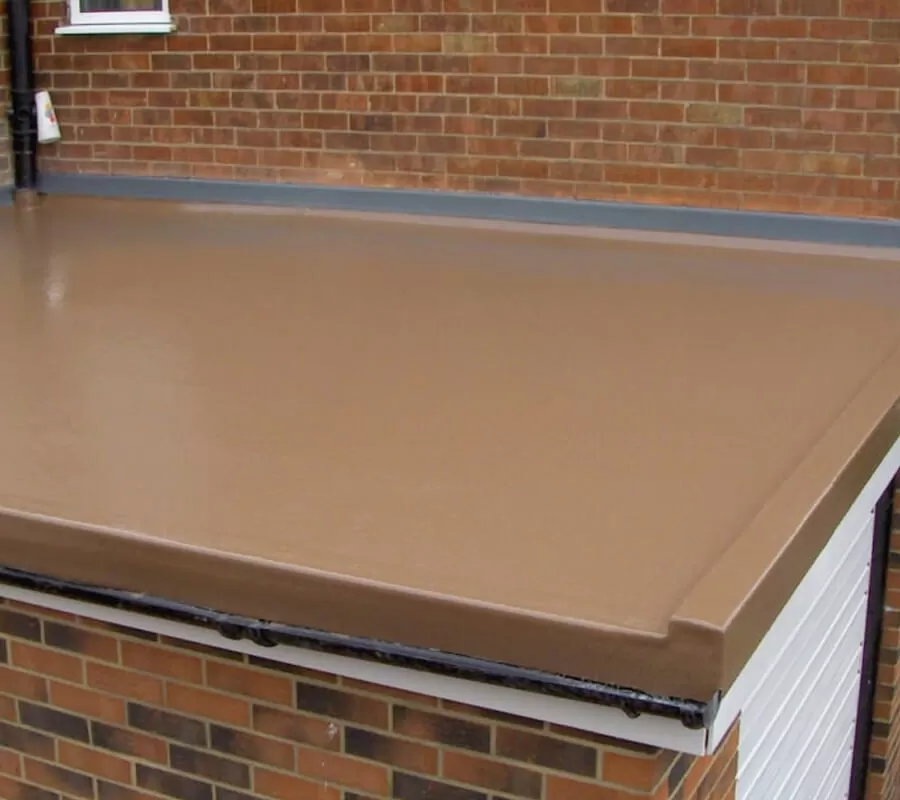
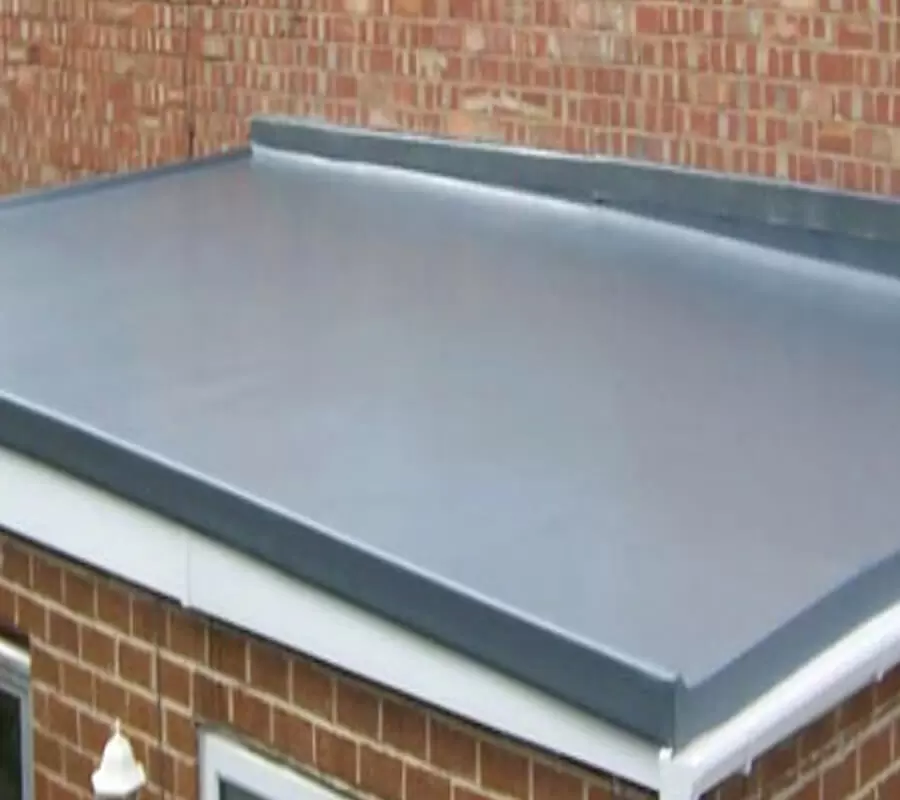
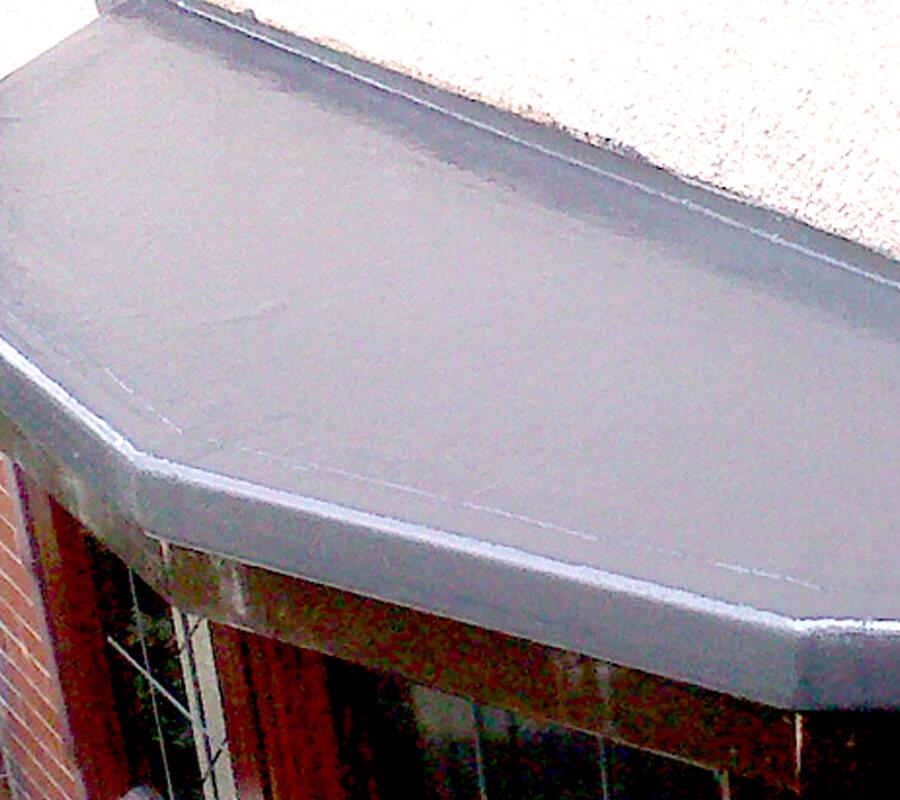
It’s worth returning to this point, given that our coverage area of North East England isn’t exactly Hawaii or the Costa del Sol in terms of its weather! On top of flat roofing, rainwater tends to pool; nonetheless, at Vantage, we offer flat roofing that is far more resilient than you likely expect.
If you call us on 0191 497 8980, we can also install pitched roofing for your North East residence.
Explore Our North East Roofing Services