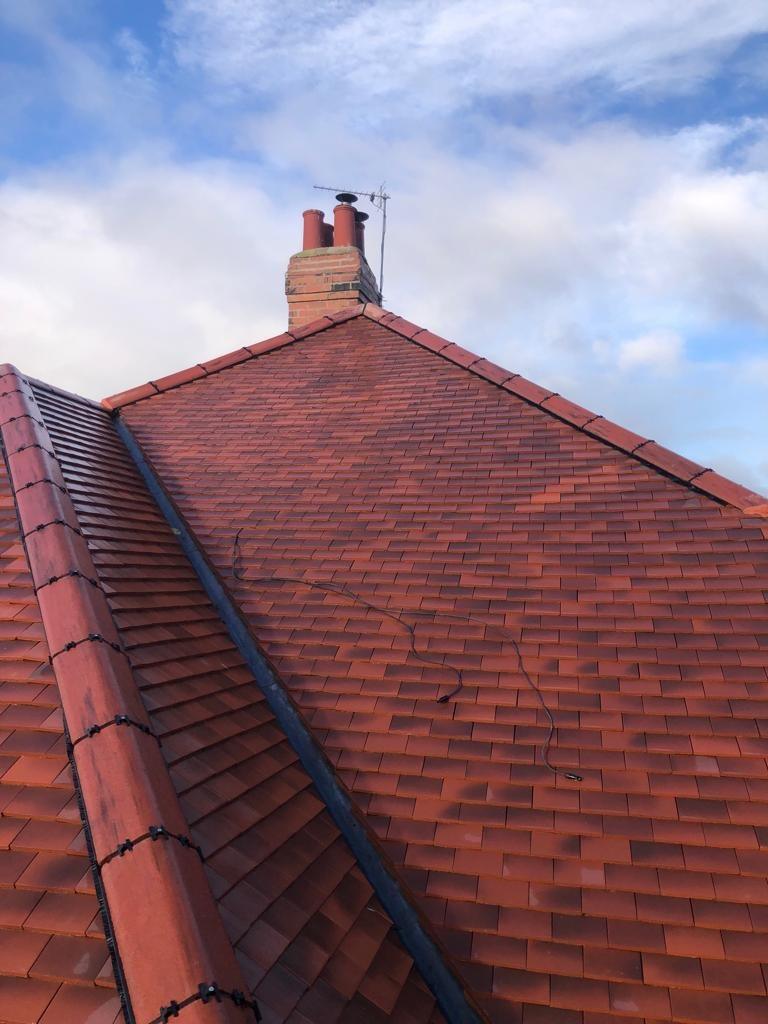



Now is a crucial time to assess any potential roof damage before any adverse weather kicks in and the cold weather arrives.
Our roofs are the most exposed part of our home, taking the full force of the elements, whether lashing rain, ripping winds or sub-zero temperatures. Considering this, it’s vital that we keep on top of our roofs (figuratively speaking) and ensure that the first signs of more minor issues don’t lead to more substantial damage.
The Vantage Roofing & Building team have compiled a list of five key considerations, helping you assess your roof’s lifespan and whether things need replacing with a new roof.
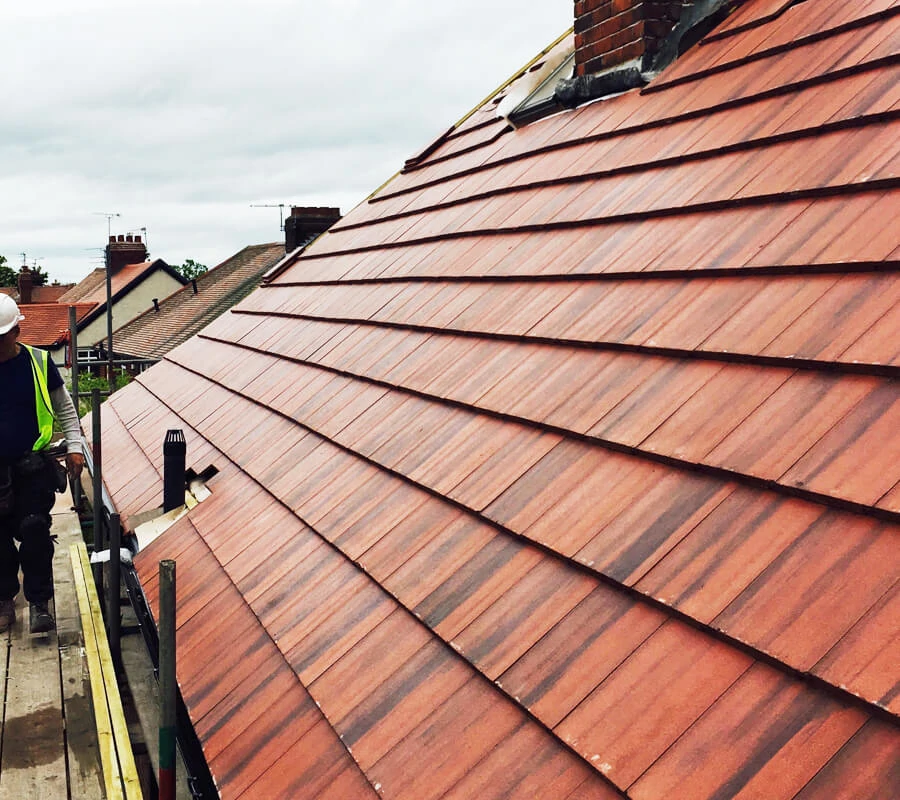
1. Missing or worn roof tiles.
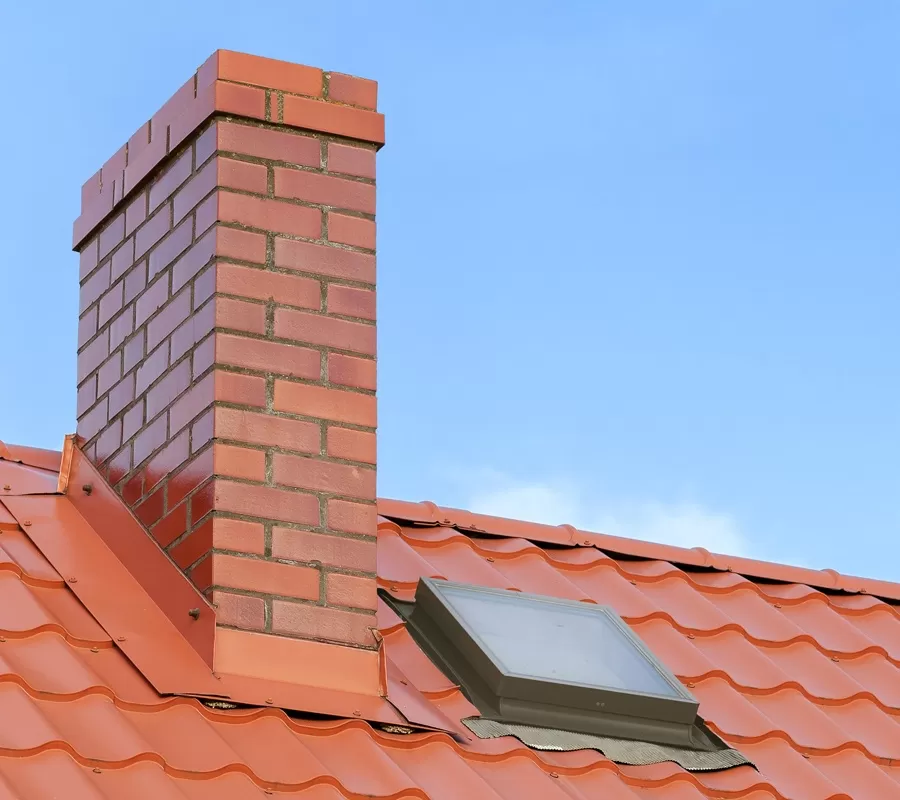
Maybe the most apparent issue, but an important one to include nonetheless! If you’re starting to notice damp patches in the higher reaches of your home, there’s a good chance that your roof tiles are damaged or missing.
In more severe cases of missing tiles, you may notice leaks and more substantial signs of water damage. It’s essential that you address these issues as soon as possible, seeking the help of a professional roof repair company (like Vantage!).
The longer you leave the worn or missing roof tiles, the more extensive the problem will become, and the higher the chances you’ll need your entire roof replaced. If you’d like more information, don’t miss our article on factors to consider between Repairing or Replacing your Roof.
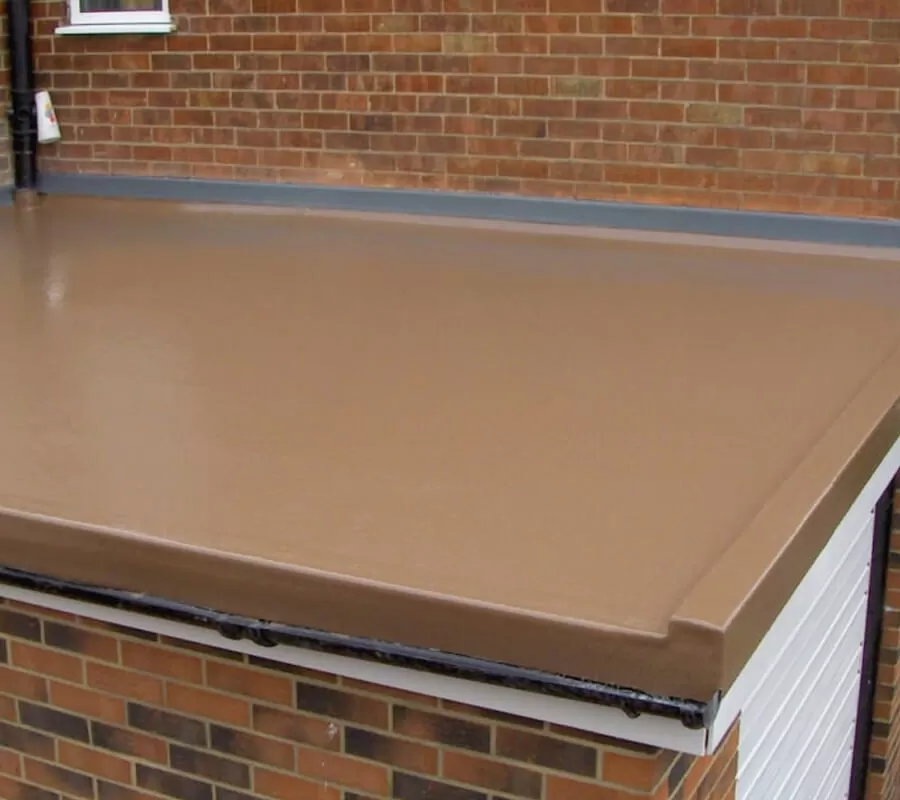
2. Cracks, holes and splits on a flat roof.
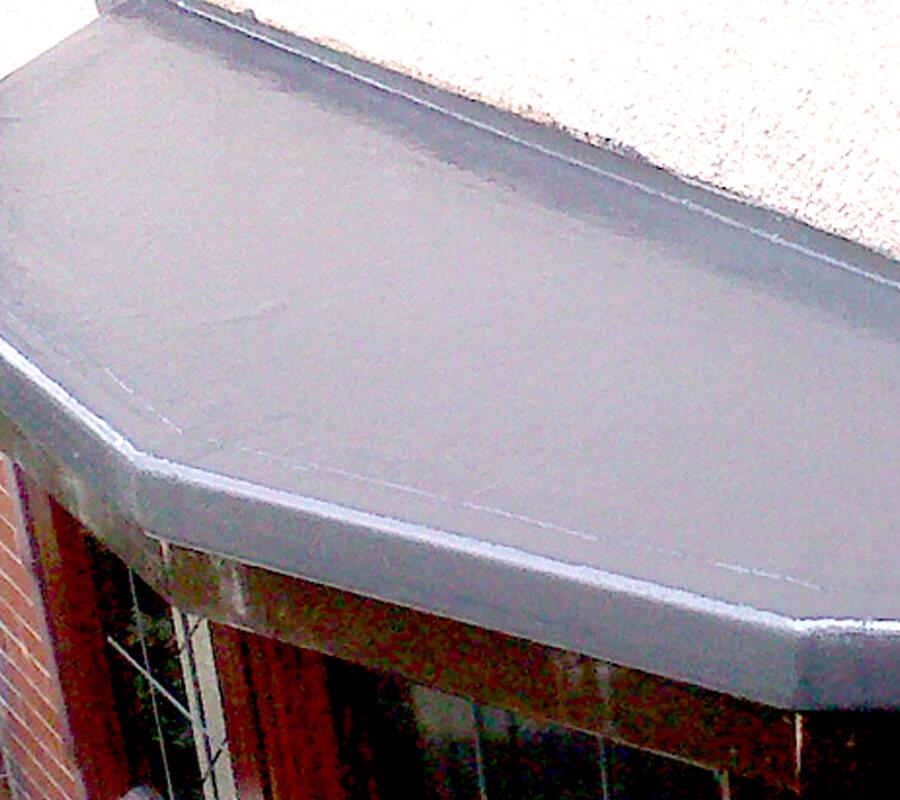
Flat roofs can be susceptible to damage from extreme weather and general wear and tear. Splits around the roofline’s edges can leak water into your home, quickly escalating to more severe water damage.
Puncture holes can also occur in strong winds, whether branches or other debris being blown at force onto the roof, causing holes or cracks in your roofline.
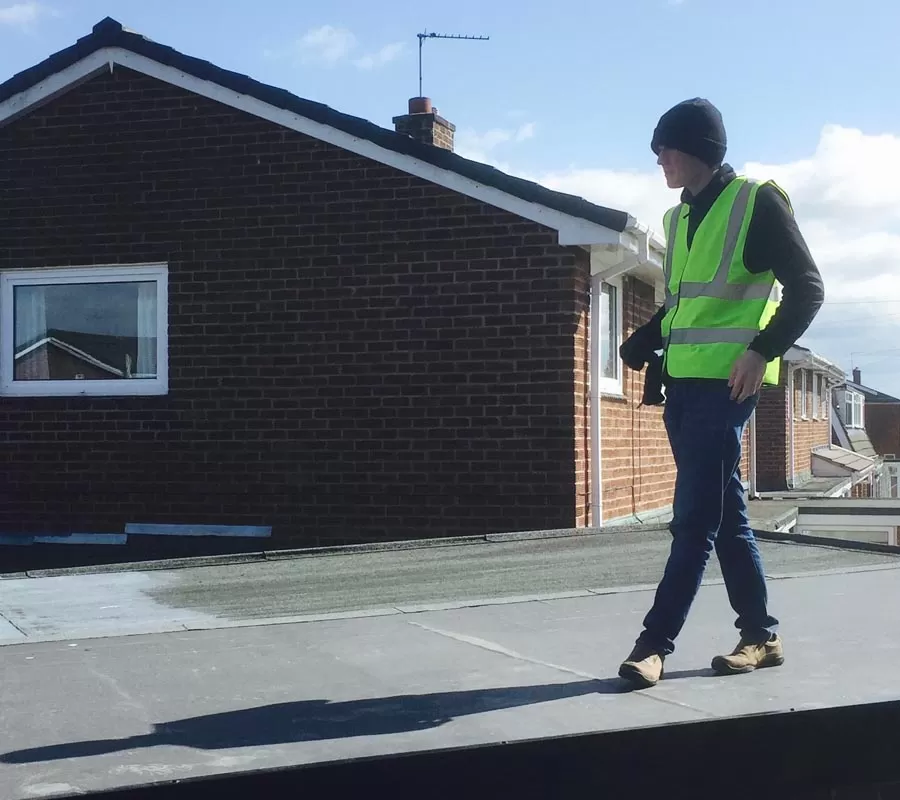
The experts at Vantage recommend that you get your roof inspected by our professionals at least twice a year, given that we can access hard-to-reach areas and even obtain high-resolution images with the help of our state-of-the-art drone camera.
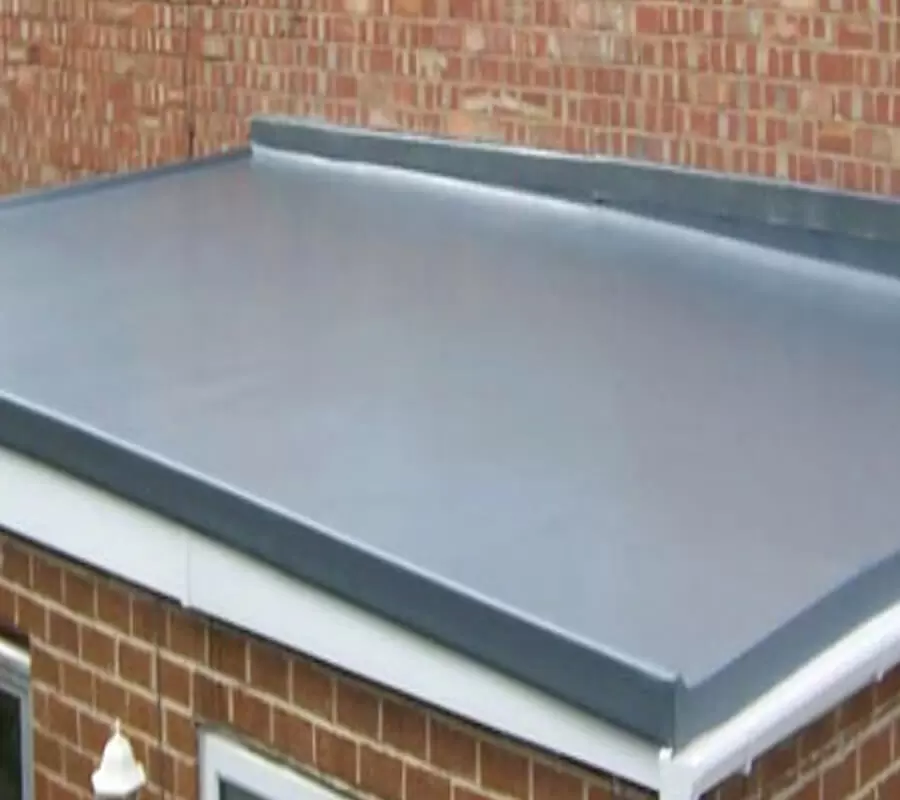
3. Sagging on a flat roof.
Another casualty caused by extreme weather is a sagging flat roof. This issue indicates structural damage and occurs when the roof boards take on water and begin to buckle under the weight.
This, in turn, causes the roof to sag, affecting the ceilings and interior of your home. Sagging can be extremely dangerous and cause a roof to collapse, so it’s crucial that you replace the roof boards and roofing materials immediately.
4. Rotting and mould or moss and algae growth.
Sure signs that excess moisture has been left for too long include moss and algae growth on the exterior of your roof tiles.
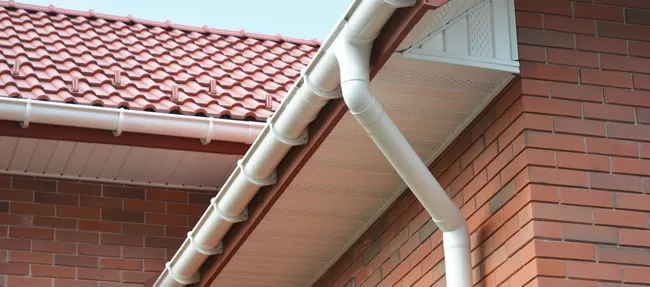
This growth can point to poor drainage and moisture retention, which can soon lead to roof decay and, in severe cases, a complete replacement. Vantage suggests addressing the issue as quickly as possible to prevent further damage should you spot moss and algae growing.
Rotting and mould can be harder to spot, depending on the frequency you visit your loft space! If excess moisture is present, mould can take hold in your attic space or under the eaves, indicating roof leaks or moisture issues that must be dealt with.
5. Age of roof.
Lastly, the roof’s age can determine whether a replacement is needed. The frequency of this replacement will depend on the quality of the previous installation, the materials used, the upkeep of the roof and its current condition.
If poor workmanship is apparent, the roof hasn’t been adequately maintained, or adverse conditions have affected the roof’s state, you would need a replacement much sooner.
Are you concerned about the condition of your roof? Contact the team today and speak to one of our trained professionals; from there, we can offer friendly advice or organise your free, no-obligation quote!
Explore Our North East Roofing Services