




If your home has a chimney, you might often use it to let smoke and hot gases escape your home – and so float away from where they could too easily harm the health of your home’s residents – when you are using a fireplace, furnace or stove. However, that chimney should be checked for issues.
Should you fail to heed this warning, one of the following especially common chimney problems could develop – and put members of your household at unnecessary risk.
Falling debris
The hollow space inside your chimney is called a flue, HomeQuicks points out. A flue will typically have been built tall to let it dissipate pollutants more effectively.
However, your flue’s structure could still decay – and, to your eyes, the earliest evidence of this could be debris that falls down this flue and so gathers in your home. Whether this debris is brick, mortar, sand, soot or tar, repair to broken bricks in the chimney and re-tarring of the flue can fix the issue.
Insufficient fire
You might find that, in attempting to use your fireplace, you struggle to draw an adequately large fire. This problem can arise if the flue is obstructed or the chimney, in relation to the roof’s ridge, is not high enough. So, would simply adding more height to the chimney solve the problem?
Not quite. You will also need to make sure that whatever is obstructing the flue is cleared. This will finally give the fire the space it needs to grow to an amount suitable for your needs.
Accumulation of creosote
Another common chimney dilemma noted by wiseGEEK is that of creosote developing on the chimney’s inner walls. When you burn wood, resulting gases can combine and cool in your chimney and so give rise to the build-up of the sticky, odorous substance known as creosote.
If you allow creosote to continue building up inside your chimney, this chimney could narrow, corrode or even burn. However, you can help prevent such build-up by using gas or oil heating.
Dangerous fumes entering the room
If a chimney’s vent starts leaking, this could result in dangerous fumes spreading through the house. The health risks of such fumes should not be underestimated. In fumes, carbon monoxide can be lethal and, even in lower concentrations, still cause nausea, dizziness and fainting.
However, a carbon monoxide alarm can detect such fumes that contain carbon monoxide and so alert you to the need for a qualified technician to immediately act on the issue.
Dampness
During rainy weather, your chimney could too easily trap moisture – especially if the chimney comprises porous clay bricks or its flue is unvented.
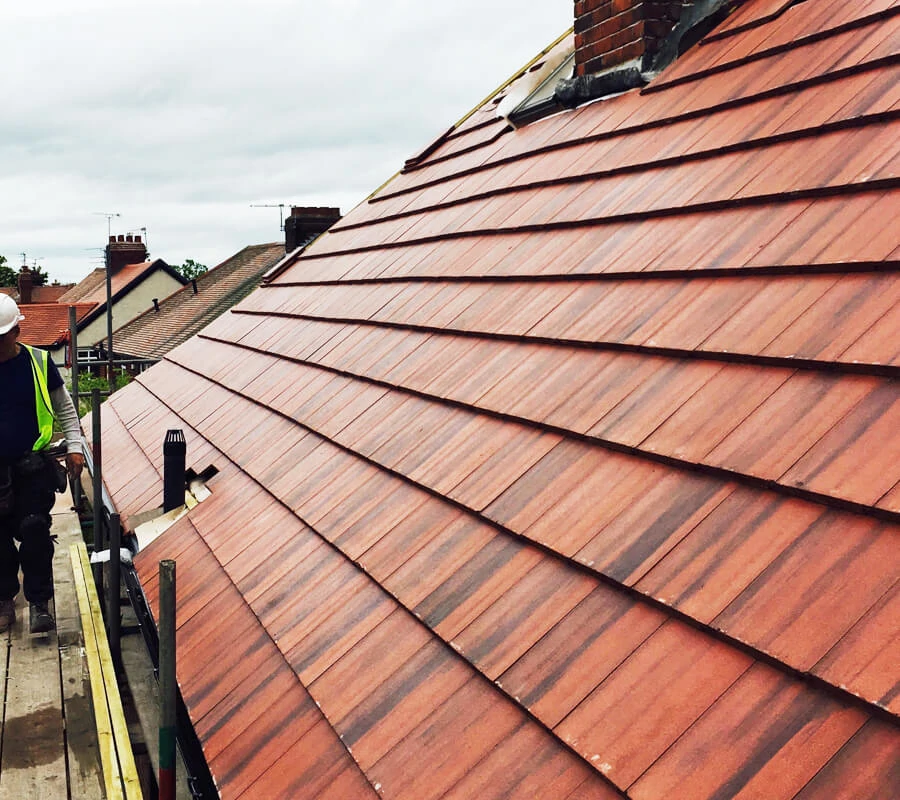
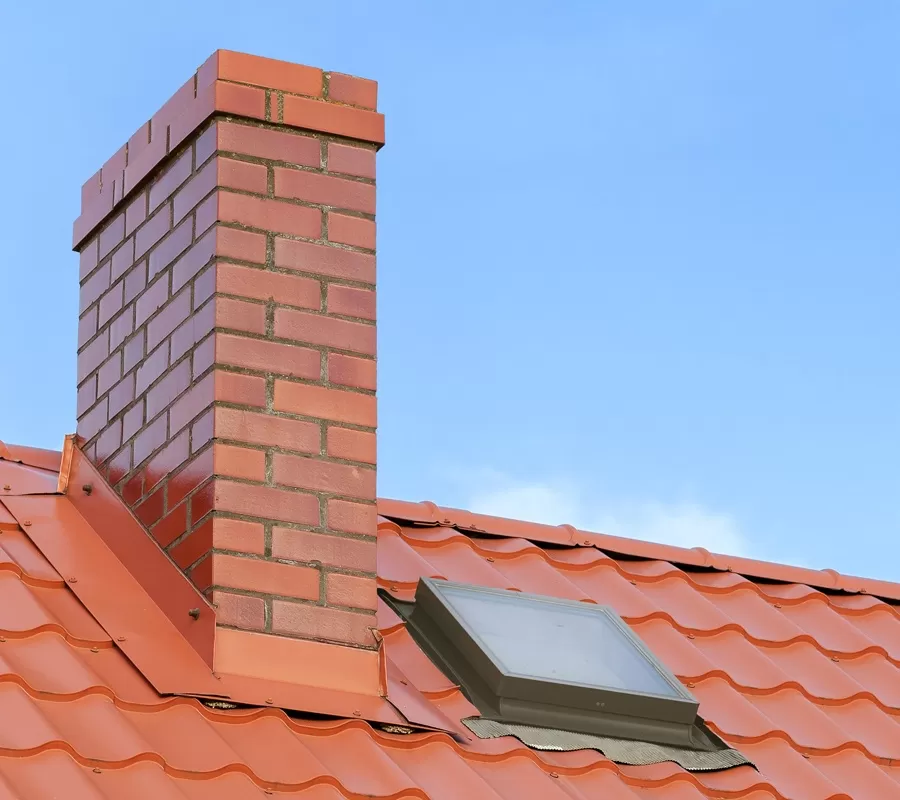
From inside the house, visible indicators of a damp chimney can include stains on its opening, the ceiling and walls that surround the fireplace. If damage to the chimney stack has contributed to the dampness, that stack can be fixed by our roofers in Newcastle upon Tyne.
Our chimney stack repair services are available in many other North East areas, too.
Explore Our North East Roofing Services