



Don’t worry if you occasionally feel a little confused about the various terms used to describe roofing solutions. It’s understandable, especially as your roof might have held up so well that you haven’t even had to consider having it fixed or replaced until now, meaning that you could be unsure exactly what GRP roofs are.
Though it can initially seem a somewhat enigmatic acronym, GRP simply stands for glass reinforced polyester or plastic – and here’s why you might want to seriously consider choosing GRP roofing…
It’s time to clear some confusion about GRP
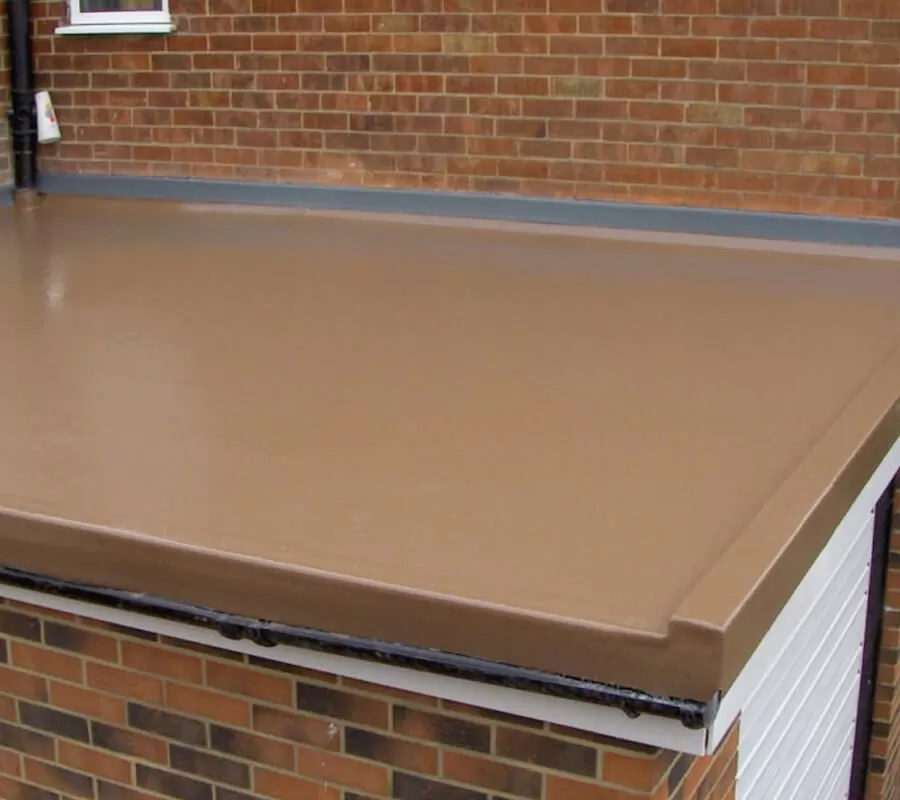
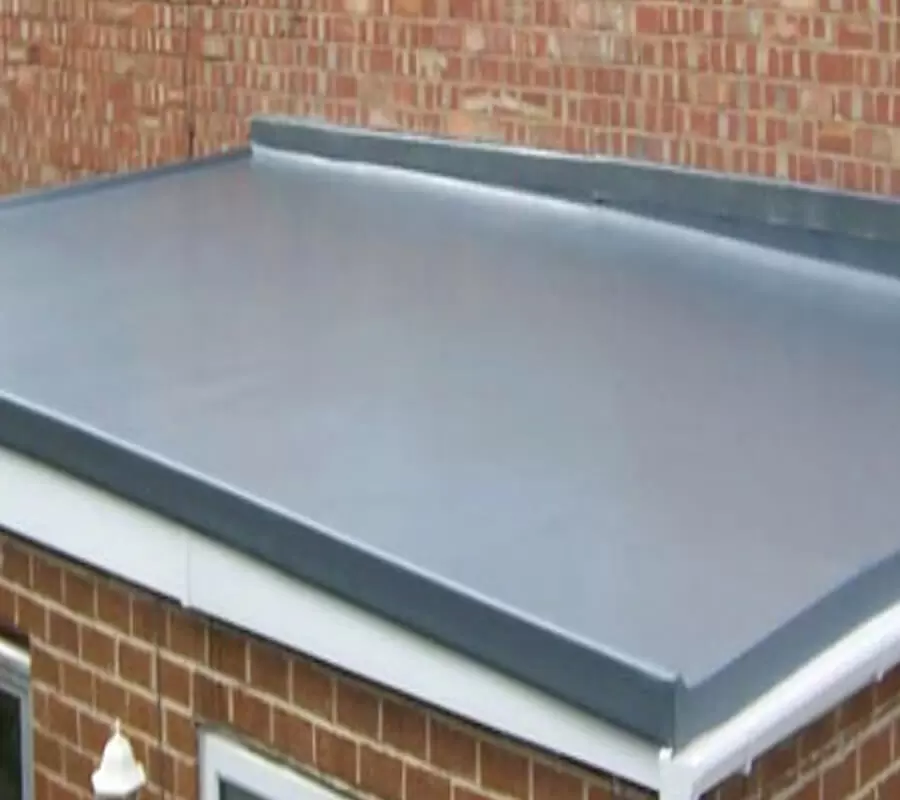
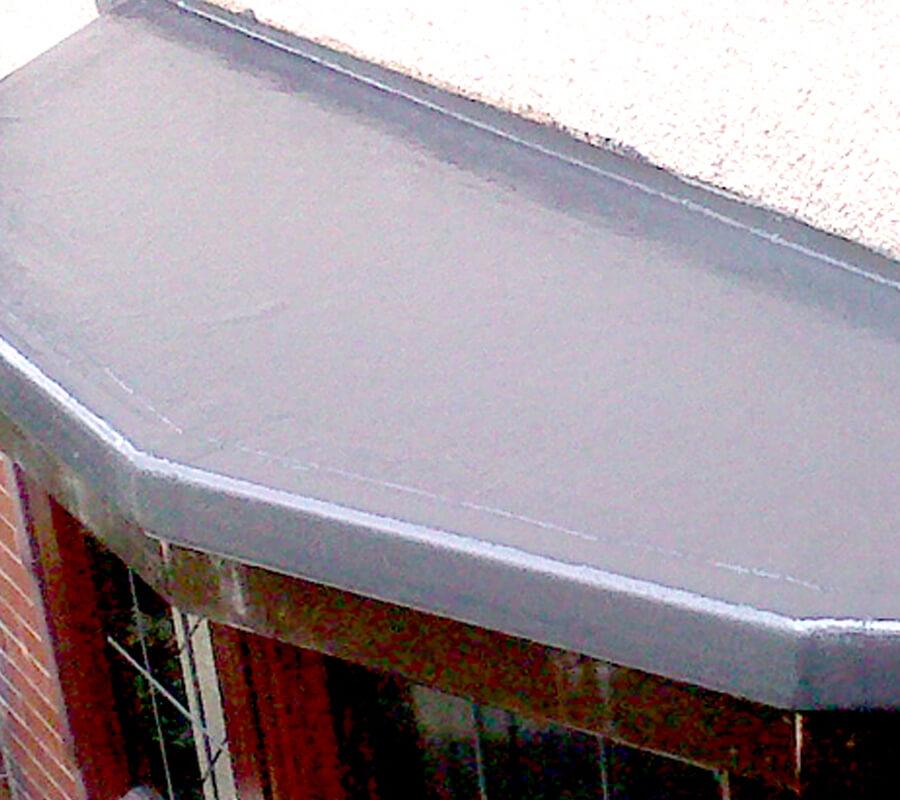
It’s still easy to feel bewildered about the world of GRP roofs, especially as you might have seen them alternatively referred to as fibreglass or glass fibre roofs. The various names for GRP roofing come from its composition, as it blends polyester resin and glass fibre fragments.
The enduring popularity of GRP
GRP is clearly a popular roofing option, and not just with roofing contractors who evidently advocate its use for domestic purposes. According to findings by Barbour Product Research mentioned by The Tribune World, about 36 million square metres of GRP roofing has been tipped to be fitted in 2019.
This estimate takes account of not only new roofing installations but also repairs and re-roofing applications – and, if proven an accurate forecast, would see the value of the overall flat roofing market pushed to the region of £1 billion to £2 billion this year.
Given a recent estimate that GRP’s share of the UK’s flat roofing market is somewhere between 15% and 20%, it could be speculated that the GRP flat roofing market’s UK value will reach about £300 million to £400 million in value during 2019.
Why might you want to use GRP?
While GRP can prove itself impressively versatile with the surface and structural protection it provides, this roofing option is especially often chosen due to its high durability as a waterproofing membrane.
When applied, this type of liquid applied system will cure and transform into a wholly seamless membrane. As a result, you could be especially drawn towards GRP if your roof tends to leak during rainy weather or picks up tears and holes that could lead to such a leak.
If you know that puddles routinely form on your existing roof, this can be a warning sign that you should consider having GRP roofing fitted. It’s especially appealing that such roofing is virtually maintenance-free as well as capable of outlasting all traditional alternative roofing options.
However, if you do decide to have GRP roofing installed, you should verify that your chosen roofing contractor has membership of the CompetentRoofer scheme. At Vantage’s, we meet the criteria, making us a reliable provider of GRP roofing services in Newcastle, Sunderland, Durham, Middlesbrough and much further afield in the North East England region.
Explore Our North East Roofing Services