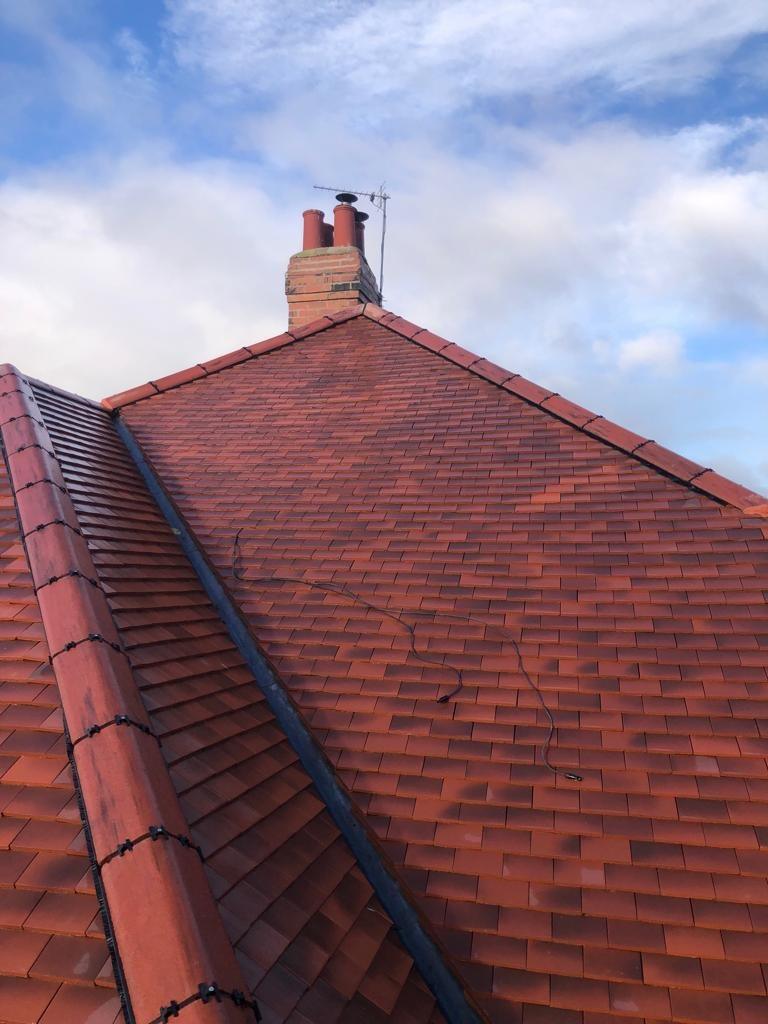





And what is it, you may also ask? A dry ridge system is a modern method of mechanically fixing ridge tiles to a roof without using the traditional combination of cement mortar and sand.
Yes, mortar and sand have certainly stood the test of time, but the extreme weather of the last few years has forced homeowners and builders into trying something new. And here are several reasons why you shouldn’t be worried about making the switch yourself.
It has to be stronger – and is
What would be the point, otherwise? Dry ridge systems are mechanically fitted and often secured with strong, stainless steel screws used to attach clamps between the joints of every ridge tile.
More capable of withstanding the force of blustery, northern winds and even the force of the extreme weather we’ve encountered in the last year, the screw system is water-resistant and disperses rainfall back onto the roof.
Also resistant to wind, the dry ridge system allows for naturally occurring movement within the tiles as they react to weather, temperature and moisture. Under these external conditions, a traditional roofing system typically suffers wear and tear over years of blustery autumns and chilly winters.
Dry ridge is low-maintenance
This part is simple to explain. Without the mortar, there is less to maintain. In fact, it is only for smaller roof repairs now that mortar is still routinely used, on roofs that are yet to be built using a dry ridge system. If extreme weather continues to batter the UK over the next few years, those smaller, occasional repairs might become more routine on houses that don’t adopt the new system.
The enhanced lifespan of a dry ridge roofing system means fewer visits from your roofer, lower maintenance costs and reduced concern over damage during extreme weather. Dry ridge systems also come with increased ventilation, which reduces the chances of harmful condensation building up, either between or under the tiles, over time.
Your roof can be easily converted
Depending on the condition of your existing roof, either it can be replaced in its entirety or your existing tiles can be reused but refitted as part of a dry ridge system. Either way, the aesthetic of your home should not be compromised, and neither should your budget.
Once installed, your new dry ridge system will look very similar, at least at street level, to how it has looked since the roof was originally built with mortar or you moved into your property. It will also meet British Standards of Building Regulations, so you could also be rewarded when it comes to renewing your insurance. While installing to these standards is not yet a legal requirement, some third-party warranty providers will only cover a building if it meets those standards.
Explore Our North East Roofing Services