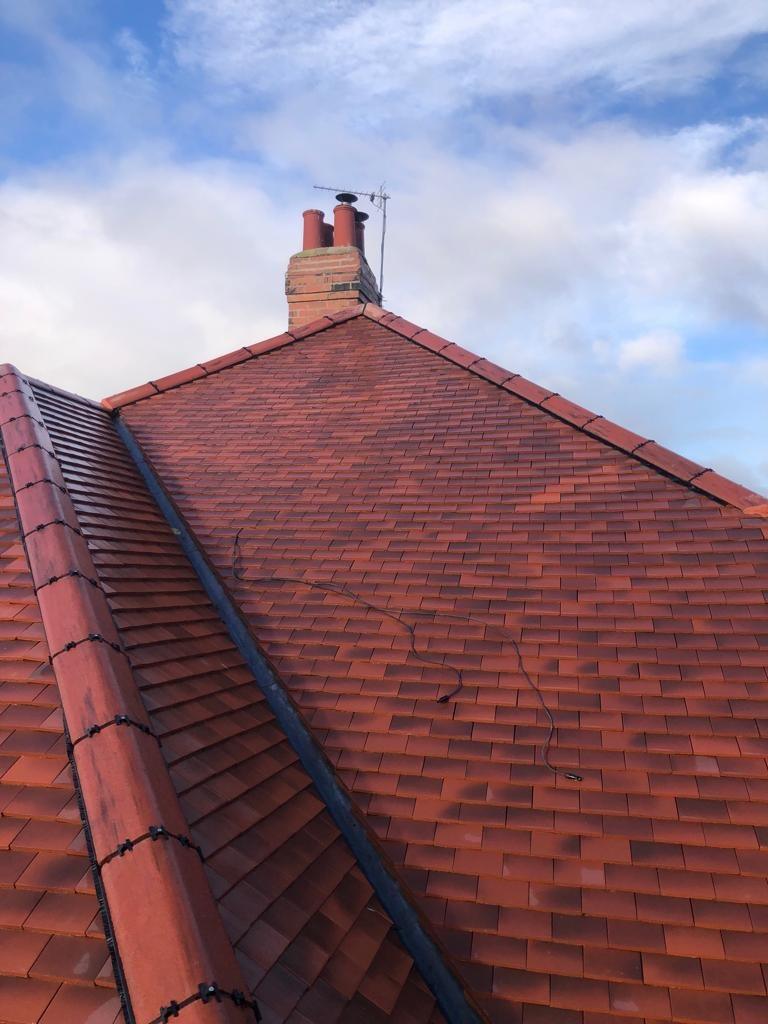





To most people, a roof is a roof. When it has reached the point of no repair, the perception of many contractors and homeowners alike is to replace the tiles, laths, and felt, so that the covering is watertight.
This is, and has been, the bog standard procedure in the UK for longer than you can imagine. However, what the majority of folk are unaware of is that since 2010, the government has imposed standards to improve the energy efficiency of older homes, and there are rules contractors and property owners must follow when re-roofing a pitched roof.
As a homeowner, you should be made fully aware of what to expect from your new roof, what will need upgrading, what should remain the same, what needs to be reported to building regulations, and what doesn’t. If you are a roofing contractor, you should be aware of the rules and minimum standards that should be met before you install a new roof.
Why do I need to check or upgrade insulation when re-roofing?
When it comes to re-roofing there are strict regulations to help improve the insulation at the same time the roof is opened. The roof is not only there to protect a property from weathering, but also accounts for 25% of a building’s heat loss.
Newer homes are built with better insulation and hold a lower U-value, but older homes require improvement. The increased insulation will help a home become more energy efficient – thus increase savings on heating bills. The cheapest way to save energy is to upgrade the natural resources we already have available, and there are two ways of insulating a roof.
- Cold loft, where the insulation is installed immediately below the roof.
- Warm loft, where the insulation is installed immediately above the ceiling on the highest floor.
The minimum standard the government have implemented at the point of re-roofing is that you should top up the insulation to at least 270mm.
The recommended U-value of an existing building in England, after being re-roofed, is 0.18.
Do I need to involve Building Regulations when re-roofing an existing pitched roof?
If it’s repaired to an existing roof covering, or if you are stripping and replacing less than 25% of the surface area of the roof, then the answer is no.
However, if the project is replacing the roof, you don’t necessarily need to involve building regulations, although there are specifications that must be worked towards in order to prevent complications further down the line, should the owner come to sell the property. If you are unsure of the method a certain contractor has proposed, or believe your property is more complex, it would be a good idea to run the project past a local building control officer for approval.
You will need to involve building regulations when re-roofing if:
- You carry out any structural alterations, i.e., replacement of large structural timbers such as the rafters, joists or purlins.
- The performance of the new roof covering will be different from the performance of the previous in the event of a fire.
- The dead load of the new roof covering will differ greatly from the existing roof. After all, this could influence other parts of the building, causing movement and thus creating a whole other array of defects/problems. If the dead load is to be changed, you will be required to structurally alter the framework of the roof to support the new weight while the roof is stripped. A structural engineer should be employed in this situation.
- More than 25% of the roof is being replaced and the insulation needs improving.
Do I need planning permission when changing my old roof to a new one?
In general, there won’t be a need to involve planning permission for a regular roof replacement, although Planning Portal does state the conditions are as follows:
“Any alteration to project no more than 150mm from the existing roof plane.”
“No alteration to be higher than the highest part of the roof.”
“Side facing windows to be obscure-glazed; any openings to be 1.7M above the floor.”
You may also insert skylights and roof lights without planning permission. However, it is likely you will require planning permission if the property is either a listed building or situated in a conservation area.
Whose responsibility is it to meet government guidelines?
Both the homeowner and the roofing contractor are responsible to comply, although it is the property owner themselves who will feel the harshest backlash from not following the government’s requirements.
Getting building control consent can be a blessing when it comes to selling the property, and it may cost £100’s in the short term – but its value in the long term is worth much more. Failure to comply may see the owner receive an enforcement notice demanding that the work carried out is modified or worse, completely removed. And all this would be at the additional expense of the customer, who could also incur a fine.
The idea of all of this may seem slightly excessive, and scary to some, but the reality is that you must stick to the correct procedure and get it right the first time if you wish to avoid being penalised.
To make things a little easier for customers, there are roofing firms able to self-certify their own work, without the involvement of building regulations, through initiatives such as the CompetentRoofer Scheme. At Vantage Roofing, we are, of course, CompetentRoofer accredited.
Ultimately, this relieves the customer of unnecessary stress, as firms involved in the scheme are regularly checked to ensure they meet the standards required. Then, the competent roofer will notify the local council, both pre and post installation of the project.
The paying customer will also receive a building regulations certificate on completion of the work. By doing it this way, it saves both time and money for the customer, long term. Whichever way you choose to do it, this certificate is essentially priceless and will make it all worthwhile for everyone involved.
If you require a new roof installed and are keen to ensure your roofing project is compliant, Vantage Roofing are the leading roofing company based in the North East of England, serving domestic households across Northumberland, Newcastle, Gateshead, Durham, Sunderland, Teesside, Yorkshire.
Get a free no-obligation quote today or give us a call on 0191 497 8980 to discuss your roofing needs.
Explore Our North East Roofing Services